

A golf gadget company based in Fort Lupton opened for business last August.
Now, it’s caught in the rough.
“If I can keep it going, that’d be great,” Dalton Rauer told BusinessDen. “But with all these legal fees, I have basically no profit anymore. And if it keeps going, I might have to close up shop and find something else to do.”
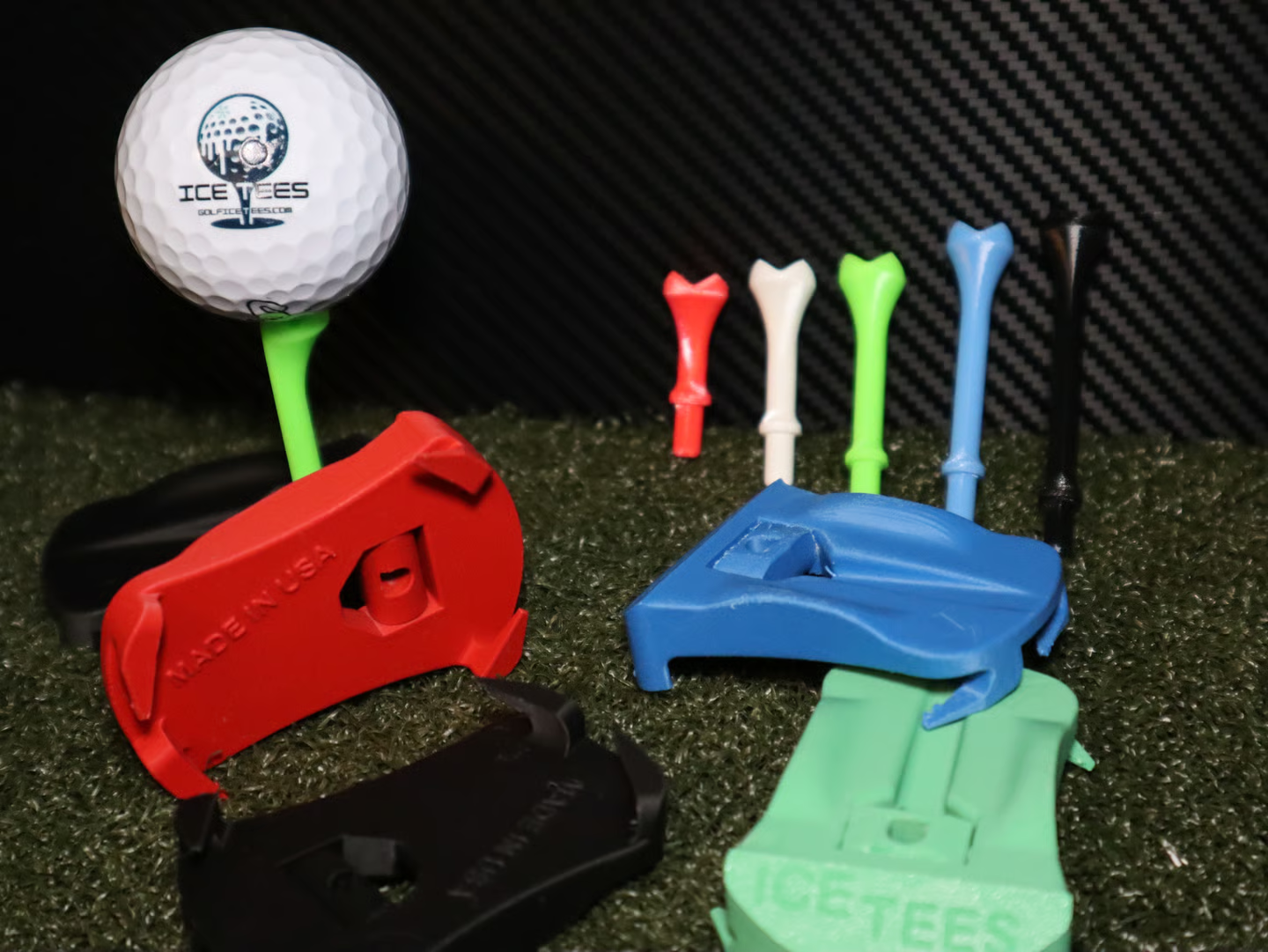
Ice Tees, the Colorado company Rauer founded 10 months ago, makes tee devices for golfers to elevate a ball when the ground is hard. His friend’s dad was searching for a product to better work on his swing during the colder months, so he enlisted Rauer, an engineer by trade, to make him one.
Rauer developed what would eventually become Ice Tees’ flagship product, the Turf Tee Base. It twists into the ground and acts as a substitute for the inconsistent pegs at ranges and simulators, he said. After his friend’s dad was pleased with it, several of his friends told him he should start selling it to the masses.
But a Florida-based company, Tee Claw Sports, believes Rauer’s gadget is eerily similar to its own. The business, founded by John Black in 2014, makes a twist-in-ground tee device as well.
According to a lawsuit Tee Claw filed in April, which was transferred to Colorado District Court last month, the company believes Rauer and Ice Tees owe it $100,000 for infringing on its patent with Ice Tees’ $7 widgets.
“The way their patent is written isn’t good,” Rauer said of Tee Claw. “Every lawyer that I’ve talked to said that I’m not infringing.”
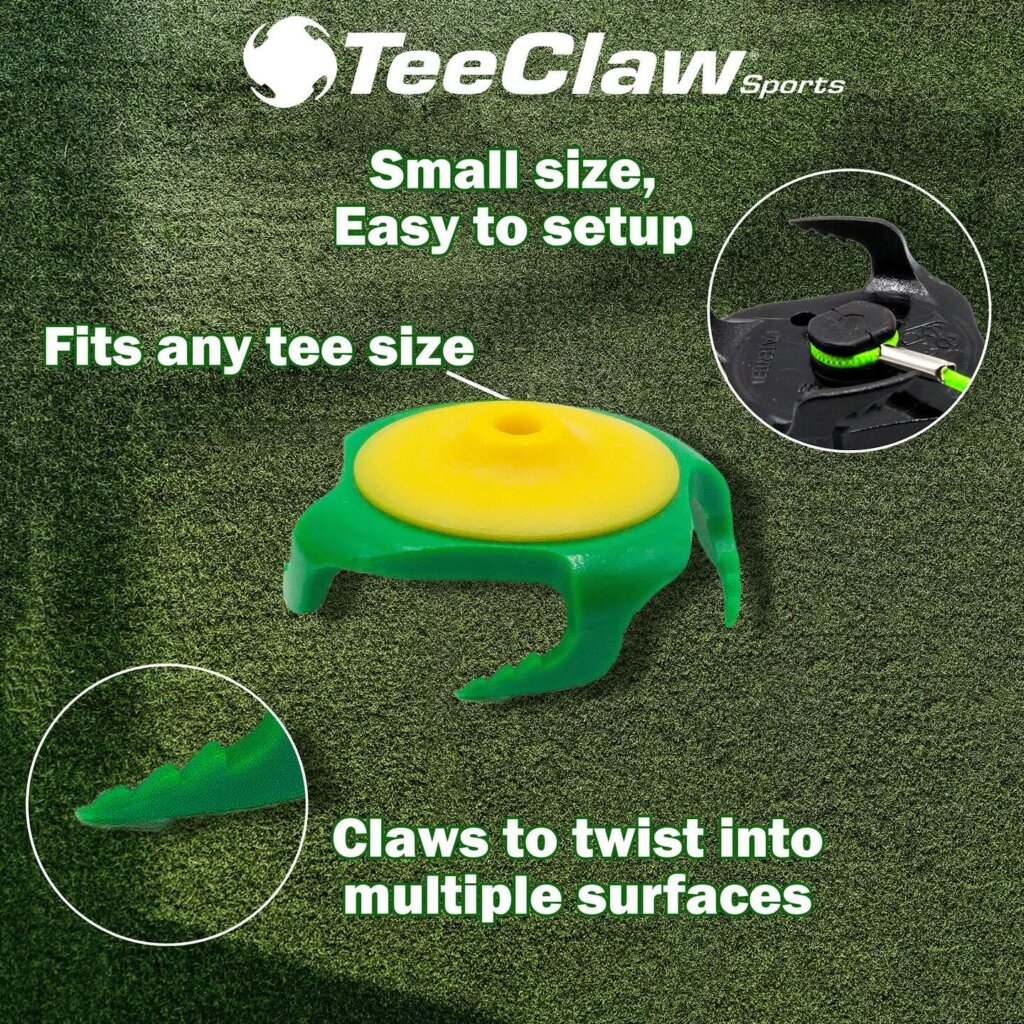
Black reached out to Rauer and Ice Tees in the fall because he believed its product violated two of Tee Claw’s patents, the lawsuit says. In November, after Rauer didn’t respond, Black’s attorney sent Ice Tees a cease and desist letter ordering the business to stop making and selling the Turf Tee Base. Rauer didn’t respond to that either, so she sent a second letter in December, according to the lawsuit.
Black and Tee Claw took the silence as a means to escalate its legal threats. But Rauer sees it differently.
“It feels like he saw my product and saw there was competition, and now he’s trying to smoke me out so I don’t take any of his sales away,” Rauer said.
Tee Claw is also accusing Ice Tees of selling the products on Amazon, though Rauer said those are just knock-offs that popped up after his company “blew up” on TikTok and Instagram around the holidays. He only sells Ice Tees stock on TikTok Shop or direct-to-consumer through his website, he said.
Court filings indicate the two sides are talking and are progressing toward a settlement.
“Honestly, I never knew (Tee Claw) was a thing until I started,” Rauer said.
In the meantime, Rauer said he’s gotten a patent for the Turf Tee Base, something that cost him $12,000, in an attempt to separate his product from Tee Claw’s. That’s on top of the $10,000 he’s spent on legal fees, which has cut into the profits of the nearly $100,000 in sales Ice Tees has garnered since it started.
“It’s a lose-lose battle. We’re just wasting money for no reason from this cheap little product that I make,” Rauer said. “I haven’t even made much profit off it, and now I have these costs after just barely getting positive off my initial investment.”
Since the lawsuit, Rauer’s Par 3 Tee, which lifts the ball for players to hit with irons instead of drivers, is the company’s most popular seller. He also sells cigar holders, belt loop clips for his tee gizmos and apparel, which haven’t proved as popular.
Rauer, who has gotten into golf over the past year and said he enjoys playing at courses in Firestone and Longmont, was planning to leave his engineering job and start working full time on Ice Tees by now. He was looking at local warehouses and talking with overseas manufacturers to help scale the business right when the lawsuit hit.
“I’ve been working out of my garage just trying to build up everything I can,” he said. “But I’ve got these legal fees drowning me. Now I’m just waiting.”